
Building Safer Cities Through Seismological Innovation
Advancing Earthquake Readiness in Malaysia
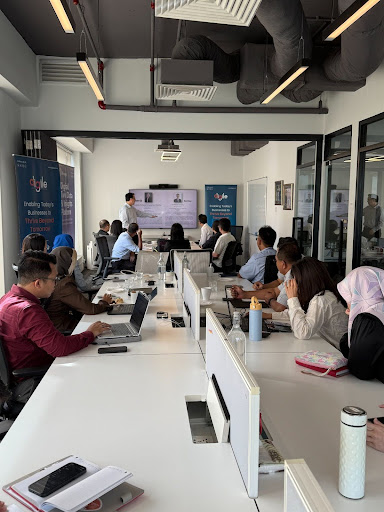
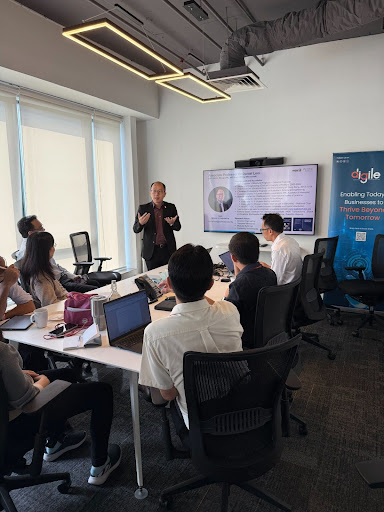
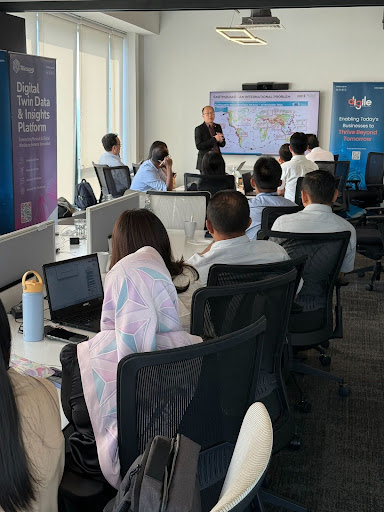
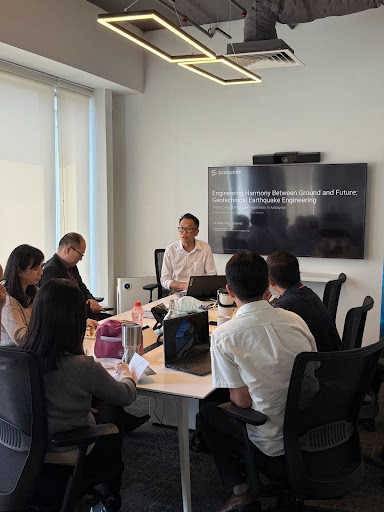
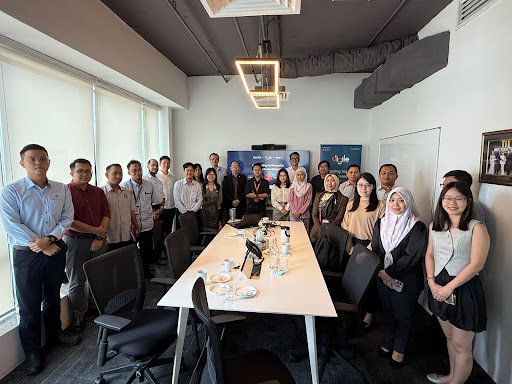
In an era where resilience and technology intersect, the event “Building Safer Cities Through Seismological Innovation: Advancing Earthquake Readiness in Malaysia” brought together leading experts, policymakers, and innovators to discuss how Malaysia can strengthen its seismic preparedness and infrastructure resilience.
Hosted by Digile, the event served as a valuable platform for collaboration where attendees gained insights from two distinguished speakers, Dr. Daniel Looi Ting Wee and Dr. William Cheang. Their expertise shed light on how science, technology, and data-driven strategies can shape a safer and more resilient Malaysia, particularly as urban development continues to expand.
Key Takeaways
1. Understanding Malaysia’s Seismic Context
Although Malaysia is not among the world’s most active seismic zones, its proximity to regional fault lines makes preparedness a national priority. The speakers emphasized the importance of localized research, structural assessments, and continuous monitoring to mitigate potential risks.
2. The Role of Innovation and Technology
Advancements in seismological monitoring, AI-powered data analysis, and digital infrastructure modeling are reshaping how cities can anticipate and respond to seismic activity. Integrating these innovations into city planning and emergency systems can significantly improve readiness and response times.
3. Building Collaboration Across Sectors
Dr. Daniel and Dr. William highlighted that resilience requires collaboration across government agencies, research institutions, private enterprises, and local communities. Coordinated frameworks and shared data are essential to ensure efficient risk management and post-event recovery.
4. Strengthening Infrastructure and Design Standards
Resilient infrastructure forms the foundation of earthquake readiness. The discussions focused on retrofitting older buildings, adhering to global design standards, and leveraging tools like Building Information Modeling (BIM) to enhance safety, performance, and sustainability.
5. Cultivating Awareness and Preparedness
Preparedness begins with people. The session emphasized the importance of community engagement, regular training, and public awareness campaigns to help citizens respond effectively during seismic events.
6. Policy, Governance, and Sustainable Investment
Participants discussed how updated building codes, consistent governance, and long-term funding can help Malaysia strengthen its resilience. Sustainable investments in disaster management infrastructure and education were recognized as essential to long-term success.
Watch the Event Recording
If you missed the live session or want to revisit the expert insights, a recording of “Building Safer Cities Through Seismological Innovation: Advancing Earthquake Readiness in Malaysia” is available now. You can share it within your networks to continue the discussion.
Final Thoughts
The event reinforced that earthquake readiness is both a technical and collective responsibility. Guided by experts Dr. Daniel Looi Ting Wee and Dr. William Cheang, and supported by Digile’s ongoing commitment to innovation and sustainable infrastructure, Malaysia is taking significant steps toward greater resilience.
Through collaboration, innovation, and awareness, we can continue to build cities that are not only smarter but also safer and more prepared for the challenges ahead.
Join the Movement Toward Safer Cities
Connect with Digile’s infrastructure experts to explore how digital solutions can strengthen disaster preparedness and enhance urban resilience.
Reach out to us